How to Mix Wood Tones Effectively: A Designer’s Guide to Beautiful Interiors
One of the biggest misconceptions in interior design is that every wood finish in a room has to match. In reality, perfectly matching wood tones can make a space feel flat and uninspired. The secret to creating a home that feels warm, layered, and professionally designed is learning how to mix wood tones intentionally.
Whether you’re selecting hardwood flooring, cabinetry, furniture, or decorative accents, here are the key principles to mixing wood tones successfully.
1
UNDERSTAND WOOD TONES
The first step is identifying the undertone of each wood species or finish. While wood colors can vary greatly, most fall into three categories:
Warm undertones: Golden oak, cherry, walnut, hickory, and woods with red, orange, or yellow hues.
Cool undertones: Woods with gray, taupe, or muted brown finishes.
Neutral undertones: Natural white oak and some lightly stained woods that work comfortably with both warm and cool palettes.
The easiest way to create harmony is to pair woods that share similar undertones, even if they’re different shades.
2
CREATE CONTRAST
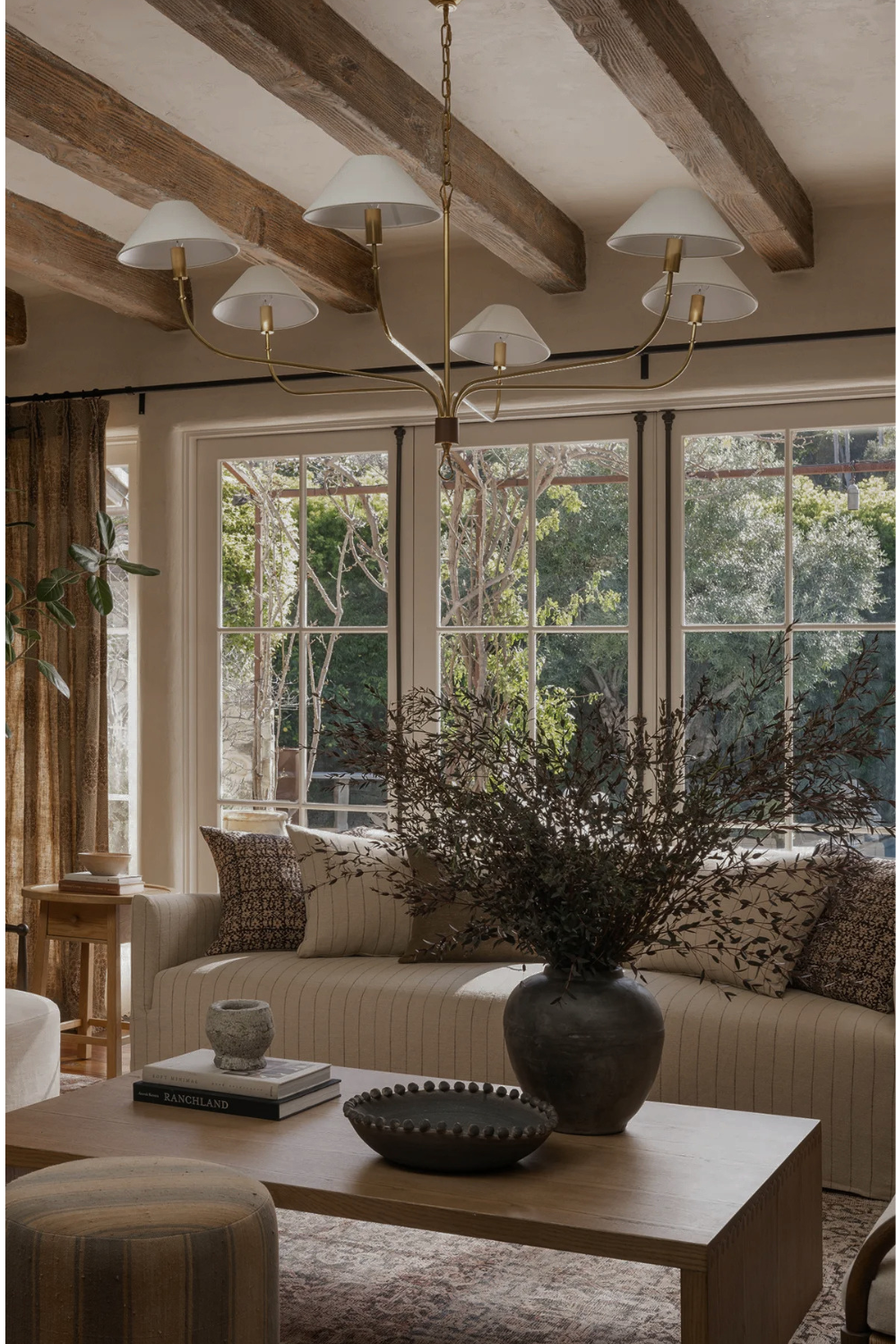
Don’t be afraid to combine light and dark woods. In fact, contrast often creates the most visually interesting spaces.
For example:
Light white oak flooring paired with rich walnut furniture.
Medium oak cabinetry with darker wood shelving.
Natural wood dining tables surrounded by darker wood chairs.
The contrast helps define each element while keeping the room feeling balanced.
3
CHOOSE ONE DOMINANT WOOD TONE
Every room should have a “main character.”
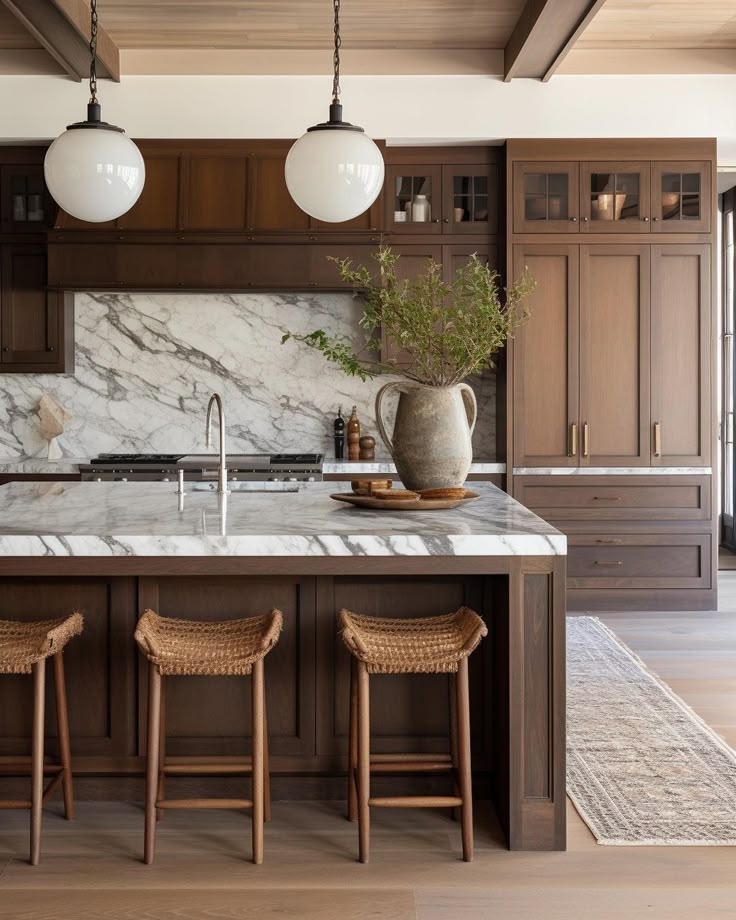
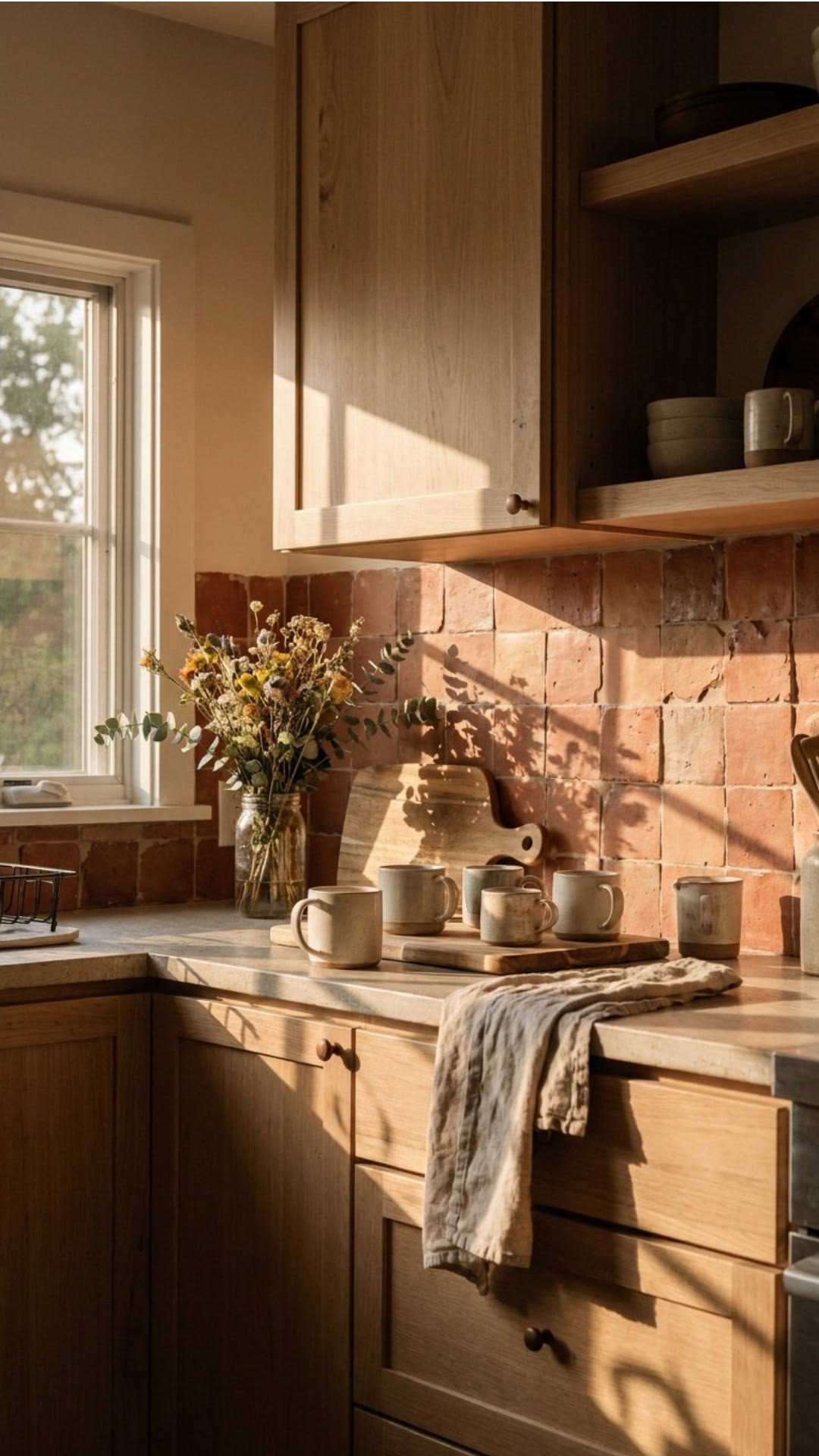
Typically, your flooring or cabinetry becomes the dominant wood tone because it occupies the largest visual area. Once you’ve established that foundation, introduce one or two complementary wood finishes through furniture, shelving, trim, or décor.
Having one dominant tone prevents the room from feeling chaotic.
4
REPEAT EACH FINISH
A common design mistake is using a wood tone only once in a room. Instead, repeat each finish at least two or three times.
For example:
Walnut coffee table
Walnut picture frames
Walnut floating shelves
Repeating finishes creates visual rhythm and makes the design feel intentional rather than random.
5
TIE EVERYTHING TOGETHER WITH COLOUR
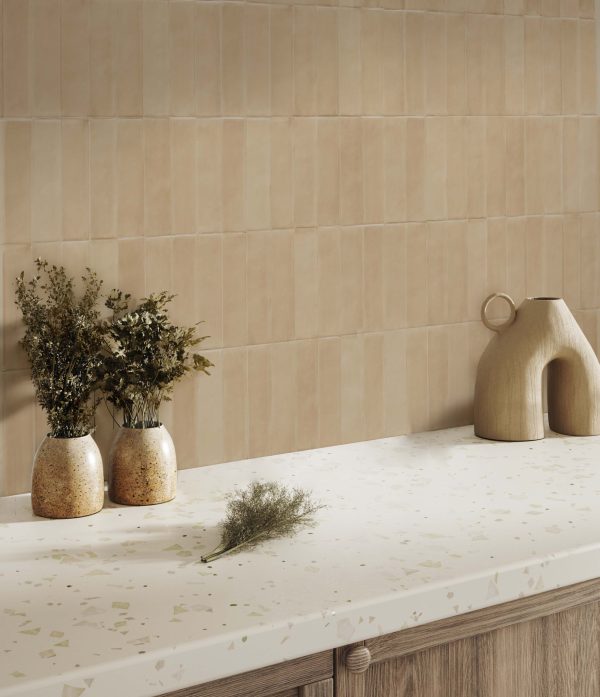
Your wall colour, counter tops, rugs, and textiles help bridge different wood tones.
Neutral paint colours, natural stone, soft fabrics, and layered textures act as visual connectors, making multiple wood finishes feel cohesive.
Think of these elements as the “glue” that brings the room together.
6
LIMIT YOURSELF TO TWO TO THREE WOOD TONES
While there isn’t a strict rule, most professionally designed spaces include no more than two or three primary wood finishes.
Too many competing tones can make a room feel busy and disorganized. Keeping your palette focused creates a cleaner, more timeless look.
COMMON MISTAKES TO AVOID
Trying to match every wood finish perfectly.
Mixing warm and cool woods without a connecting element.
Using too many different stains in one room.
Ignoring the undertones of existing flooring or cabinetry.
Choosing finishes independently instead of viewing the room as a whole.
THE BOTTOM LINE
Great interior design isn’t about making everything match—it’s about creating balance.
By paying attention to undertones, introducing contrast, repeating finishes throughout the room, and limiting the number of wood tones, you can create spaces that feel warm, natural, and effortlessly sophisticated.
Whether you’re renovating a kitchen, selecting hardwood flooring, or furnishing a new home, thoughtfully mixed wood tones will always feel more timeless than a room where everything is exactly the same.
If you’re unsure which wood finishes work best together, our team is here to help. We can guide you through selecting complementary materials that suit your style, your home, and your vision—creating a space you’ll love for years to come.
Natural stone brings an unmistakeable warmth, texture, and organic variation to a home. Selecting a beautiful stone tile is only half the design process - how
Travertine is a natural stone that has been used by interior designers for centuries. The unique character of travertine offers an elegant charm and organic movement
Why have Zellige tiles grown so popular over the last few years? These handmade tiles are amongst the most popular decorative tiles, and are being seen